Smartphone Budget Guide for Germany: Price Tiers Explained
The German smartphone market is clearly segmented into price tiers. Understanding what each tier realistically offers helps avoid overpaying for features you will not use — or underpaying and receiving disappointing hardware.
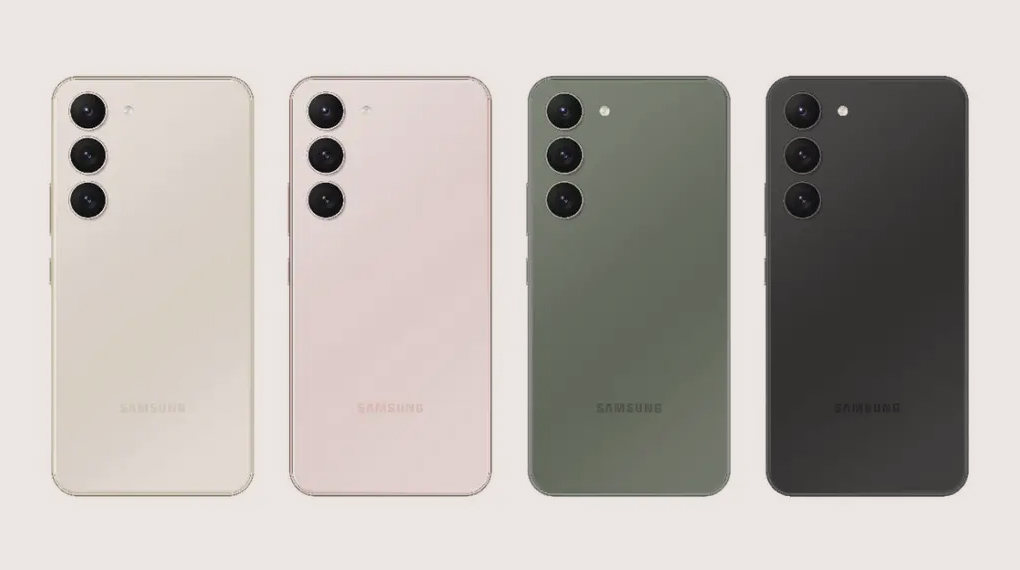
Samsung Galaxy S23 · Wikimedia Commons

1. Price Tier Overview
These ranges reflect approximate new device prices in German retail as of 2024–2025. Prices change seasonally, and older models see significant reductions after a new generation launches. VAT (19%) is included in all German consumer prices.
2. Entry-Level Smartphones (Under €250)
Entry-level devices cover basic smartphone functions: calls, messaging, web browsing, and common apps. Expectations must be set accordingly.
What to expect
- LCD display at 60 Hz; HD+ to Full HD+ resolution
- Dual or triple rear camera (main + depth + ultrawide)
- 4,000–5,000 mAh battery; slow charging (10–15W)
- MediaTek Helio or Snapdragon 4/6 series processor
- 64–128 GB storage; microSD slot often present
- 2–3 years of software support (varies by brand)
What to expect less of
- High-quality night photography
- Gaming performance with demanding titles
- Premium build materials (plastic body common)
- Fast charging; wireless charging typically absent
3. Mid-Range Smartphones (€250–€600)
The mid-range segment offers the most significant improvement in value relative to price. Most users find that a mid-range device meets all practical requirements.
What to expect
- OLED or high-quality LCD display; 90–120 Hz refresh rate
- Multi-camera system with optical zoom on higher models
- Capable processor (Snapdragon 7 series, Dimensity 7/8 series, Apple A15/A16 in older iPhones)
- 128–256 GB storage
- Fast charging (25–67W); wireless charging on some models
- 3–4 years of software updates from major brands
- IP67 or IP68 water resistance on higher models in this range
Notable mid-range manufacturers in Germany
Samsung Galaxy A series, Google Pixel 7a, Sony Xperia 10 series, Motorola Edge series, and OnePlus Nord series are commonly available in German retail.
4. Flagship Smartphones (Above €600)
Flagships represent the best available hardware from each manufacturer. Diminishing returns are significant — the performance gap between a €500 and a €1,200 device is much smaller than the gap between €150 and €500.
What to expect
- OLED display at 120 Hz with peak brightness above 1,000 nits (outdoor visibility)
- Advanced multi-camera system with optical zoom (3x to 10x)
- Top-tier processor (Snapdragon 8 Gen 3, Apple A17/A18, Google Tensor G3)
- 256 GB–1 TB storage
- Fast wired and wireless charging; reverse wireless charging
- 5–7 years of software updates
- IP68 dust/water resistance (standard)
- Premium materials (aluminium or titanium frame, Gorilla Glass or ceramic back)
In Germany, flagship iPhones and Samsung Galaxy S/Z series carry the highest prices. Import models from Xiaomi or OnePlus are sometimes available at lower price points while retaining flagship specifications, though after-sales service availability may differ.
5. The Value Sweet Spot
The €300–€500 range consistently offers the best performance-per-euro in the German market. Devices in this tier typically feature OLED screens, capable cameras, at least 128 GB storage, and 3+ years of software support.
The previous year's flagship model often falls into this range shortly after a new generation launches, providing flagship-class hardware at mid-range prices.
6. Refurbished as a Budget Strategy
Purchasing a refurbished flagship from one or two generations ago can provide significantly better hardware than a new entry-level device at a similar price. A refurbished flagship from two years ago may offer:
- Better processor performance
- OLED display
- More capable camera system
- Longer remaining software support
The primary trade-offs are battery health (which may be reduced), shorter remaining manufacturer support window, and the absence of the newest features. For more details, see the New vs Refurbished guide.
7. Total Cost of Ownership
Device price alone does not represent the total cost. Consider:
- Contract vs SIM-only: Buying a device with a carrier contract may reduce the upfront cost, but the total cost over 24 months often exceeds buying unlocked and choosing a SIM-only tariff separately.
- Insurance: Smartphone insurance adds to ongoing costs. Assess whether it makes economic sense for your device tier.
- Accessories: Cases, screen protectors, and chargers add to the initial outlay.
- Repair costs: Entry-level devices may be less cost-effective to repair; screen replacements for flagships can be expensive.
- Trade-in value: Flagship devices retain higher resale value. See the Trade-In guide.