Android vs iOS: A Neutral Comparison
Choosing between Android and iOS is one of the most consequential decisions in smartphone purchasing. Both platforms have matured significantly; the differences today are more about philosophy and ecosystem than fundamental capability.
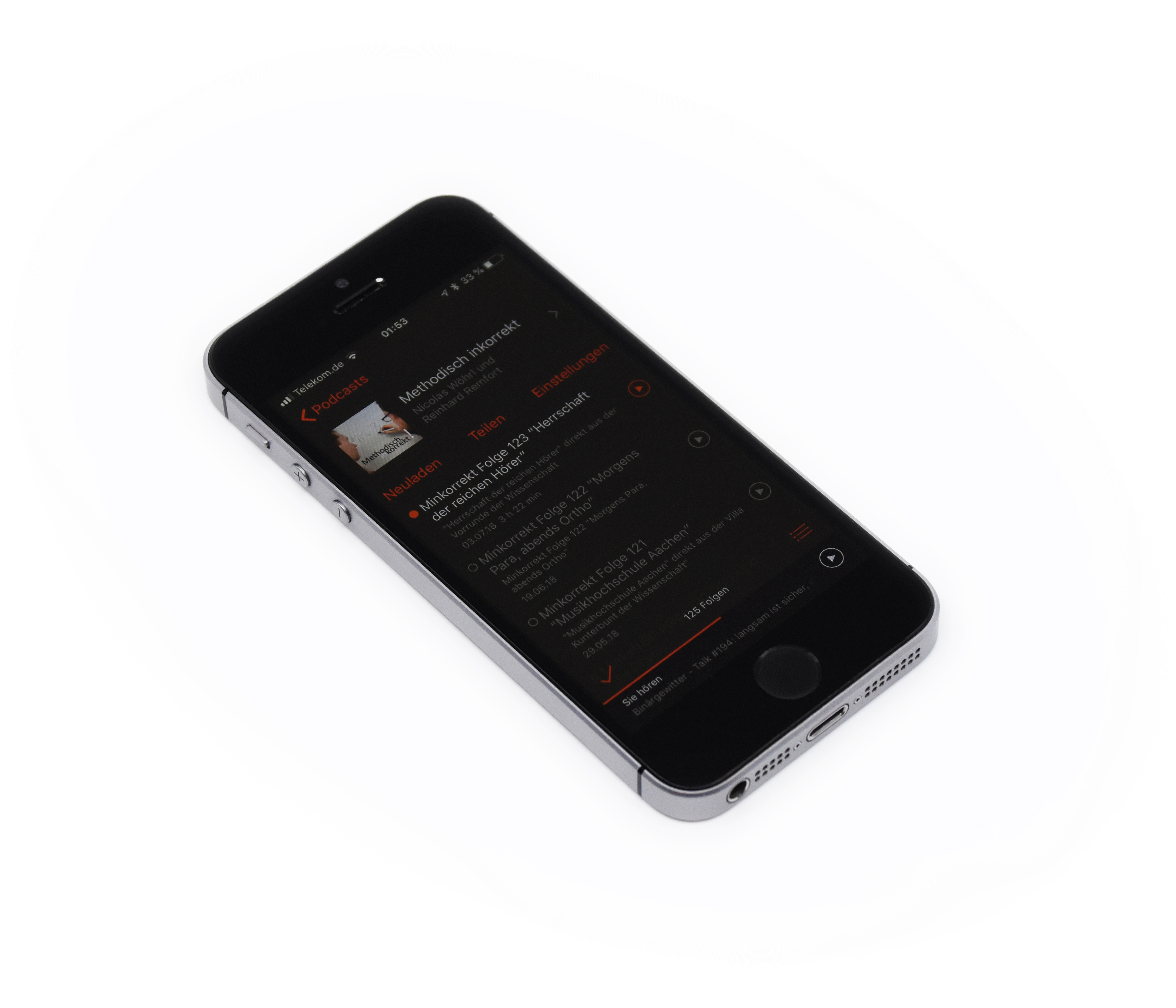
Apple iPhone SE · Wikimedia Commons


Google Pixel 7A · Wikimedia Commons

1. Ecosystem and Lock-In
iOS (Apple) is a closed ecosystem. iCloud, iMessage, AirDrop, AirPlay, and the Mac/iPad/Apple Watch integration create a seamless experience for users who own multiple Apple devices. Features like Continuity Camera and Handoff work only within Apple's hardware.
Android is an open platform developed by Google but licensed to many device manufacturers. It integrates more openly with third-party services and allows greater customisation of the home screen, default apps, and file system access. Google's own services (Drive, Photos, Gmail) are tightly integrated.
Switching ecosystems later involves migrating contacts, photos, messages, and purchased apps. This is manageable but requires effort, and some purchases (paid apps, in-app purchases) cannot be transferred between platforms.
2. App Availability
Both platforms offer equivalent core applications for Germany: banking apps for Deutsche Bank, Sparkasse, ING, Commerzbank, and N26 are available on both. Navigation (Google Maps, Here WeGo), e-commerce (Amazon, Zalando), and government apps (AusweisApp2 for the German eID) are available on both platforms.
Differences emerge in niche categories: some enterprise software, certain German-language niche apps, and developer tools may be available on one platform before the other.
3. Software Updates
iOS: Apple provides iOS updates simultaneously to all compatible devices, typically for 5–6 years after a device's release. This means an iPhone bought today can reasonably expect software support into the late 2020s.
Android: Update timelines vary by manufacturer. Google Pixel devices receive 7 years of OS and security updates (from the Pixel 8 series onward). Samsung Galaxy S and Z series receive 4 major OS updates and 5 years of security patches. Other Android manufacturers may offer shorter support windows.
Security updates are separate from major OS versions. Regular security patches matter for protecting against known vulnerabilities.
4. Privacy and Data
Both platforms have strengthened privacy controls in recent years, partly in response to European regulations including GDPR.
iOS introduced App Tracking Transparency (ATT), requiring apps to explicitly request permission before tracking users across applications. Apple's business model is primarily hardware and services, not advertising data.
Android introduced improved permission controls and the Privacy Dashboard. Google's business model includes advertising, which influences how data collection is approached, though users have granular controls over location, microphone, and camera access.
Both platforms comply with GDPR requirements for European users. Neither platform is objectively "more private" without consideration of how you configure permissions and which apps you install.
5. Hardware Options
iOS runs exclusively on Apple-manufactured iPhones. The hardware lineup is limited but well-defined: each year Apple releases a small number of models at standardised price points.
Android runs on devices from Samsung, Google, Sony, Motorola, OnePlus, Xiaomi, and many other manufacturers available in Germany. This provides significant variety in size, price, form factor, and feature set.
6. Price Range in Germany
| Tier | iOS (Apple) | Android |
|---|---|---|
| Entry-level (under €300) | iPhone SE (older models, refurbished) | Motorola Moto G, Xiaomi Redmi |
| Mid-range (€300–€600) | iPhone 15 (older models discounted) | Samsung Galaxy A, Google Pixel 7a |
| Flagship (above €600) | iPhone 15/16 series | Samsung Galaxy S/Z, Google Pixel 8/9 |
New iPhones in Germany are subject to the standard VAT rate (19%). Prices at authorised retailers are set by Apple and do not vary significantly between shops. Android devices show more price variation across retailers.
7. Switching Platforms
If you are switching from Android to iOS, Apple's "Move to iOS" app facilitates transfer of contacts, messages, photos, and some app data. Paid Android apps must be repurchased on the App Store.
Switching from iOS to Android requires manual export of iCloud data. Google provides a data migration tool, and most data (contacts, calendar, photos) transfers without difficulty if stored in standard formats.
8. Summary Comparison
| Factor | Android | iOS |
|---|---|---|
| Hardware variety | Wide range, multiple manufacturers | Limited to Apple models |
| Customisation | High — default apps, file access, sideloading | Moderate — improving with each version |
| Update consistency | Varies by manufacturer (best: Pixel, Samsung S) | Consistent across all compatible devices |
| Update longevity | Up to 7 years (Pixel 8+), 4–5 years (Samsung) | Typically 5–6 years |
| Ecosystem integration | Best with other Google/Android services | Best with other Apple products |
| Entry price in Germany | From ~€150 (new) | From ~€500 (new); lower refurbished |
| App store | Google Play Store (+ F-Droid open-source) | Apple App Store only |